Tuesday, November 19, 2019

Immunohistochemistry Market by Major Players, Development, Opportunities & Forecast 2026

Market Size – USD 1,736.4 million in 2018, Market Growth - CAGR of 8.6%, Market Trends – Product launches and research for advanced Immunohistochemistry

According to the current analysis of Reports and Data, The global Immunohistochemistry market was valued at USD 1,736.4 million in 2018 and is expected to reach USD 3,359.8 million by the year 2026, growing at a CAGR of 8.6%.

Immunohistochemistry (IHC) has crucial applications in the field of tissue distribution of antigens by using monoclonal and polyclonal antibodies. It is used for cancer diagnosis, because it determines the presence of tumor antigens. It is a technique which combines immunological, anatomical, and biochemical processes to identify tissue components by the interaction of target antigens with specific antibodies that are tagged by a label. Immunohistochemistry used by public and private organizations to check localization and distribution of cellular components within the cells.

Get FREE sample copy of this premium report at: https://www.reportsanddata.com/sample-enquiry-form/2198 

Immunohistochemistry Market | Reports and Data
Immunohistochemistry is being applied in many other areas. Immunohistochemistry is widely used to predict therapeutic response in two important tumors, i.e. carcinoma of breast and prostate. Both these tumors are under the growth regulation of the hormones estrogen and androgen, respectively. The specific receptors for these growth regulating hormones are located on respective tumor cells. Tumors expressing high level of receptor positivity would respond favorably to removal of the endogenous source of such hormones or hormonal therapy is administered to lower their levels – estrogen therapy in prostate cancer and androgen therapy in breast cancer. Immunohistochemistry techniques are also being applied to confirm infectious agent in tissues by use of specific antibodies against microbial DNA or RNA, e.g. in Cytomegalo virus, Hepatitis B virus, Hepatitis C virus, etc. The application is used routinely in validation of disease targets as it allows visualizing expression of the target in the affected tissue during the disease process. 

Another important advantage of Immunohistochemistry is that it can also be used to detect organisms in cytological preparations such as fluids, sputum samples, and material obtained from fine needle aspiration procedures. This can be very helpful in certain situations such as detection of pneumocystis from the sputum of an immunocompromised patient who needs rapid and precise confirmation of infection in order to begin immediate and appropriate therapy.

Specific diagnosis of muscular dystrophy is important because of the genetic counseling implications of inherited disease and accurate prognostication. In recent years, abnormalities in several muscle proteins have been identified in muscular dystrophies. Such abnormalities involve proteins located in the sarcolemma, extracellular matrix, cytosol, nucleus, and other sites within muscle fibers. Skeletal muscle biopsy can play a main role in differentiating vascular dystrophy from non-dystrophic disorders and Immunohistochemistry can assist in establishing a specific diagnosis of the dystrophies for which specific protein abnormalities are known. In the last few years, immunohistochemical staining for beta amyloid precursor protein has been validated as a method to detect axonal injury within as little as 2–3 h of head injury. Immunohistochemical detection of axonal injury can be useful in establishing timing of a traumatic insult in medico-legal settings.

Rapid growth of healthcare investment in emerging economies and technological development in invitro industry creates the opportunities to manufacturers for Immunohistochemistry kit, equipment and reagents. Growing prevalence of chronic diseases including cancer, cardiovascular diseases, infectious diseases, autoimmune diseases, diabetes mellitus, and nephrological diseases are the key factors for the growth of the market. Significant rise in R&D spending and shift towards comprehensive healthcare solutions are impelling the market growth.

To identify the key trends in the industry, click on the link below: https://www.reportsanddata.com/report-detail/immunohistochemistry-market

Further key findings from the report suggest
• Immunohistochemistry finds its application in diagnosing cancer types, chronic diseases, neurological diseases and also helps to determine the presence of benign or malignant tumor.

• Immunohistochemistry is more advantageous than traditional enzyme staining techniqueas it involves specific antigen-antibody reactions. It is widely used in clinical diagnostics and medical research laboratories.

• Rapid increase in healthcare spending and a changing healthcare infrastructure with better medical practice and care facilities, rise in geriatric population leads to increased need for Immunohistochemistry techniques are the driving factors of the market

• Antibody segment accounts for largest market share of 41.2% due to rising regulatory approvals for therapeutic antibody products and is expected to show more growth during the forecast period

• Diagnostics sub-segment dominated the Applications segment owing to a high prevalence of cancer and other such chronic diseases.

• Hospitals sub-segment is anticipated to exhibit significant CAGR of 7.5% over the forecast period due to increasing disease prevalence and high demand for facilities with advanced infrastructure

• The applications of Immunohistochemistry are drug testing, diagnostics amongst others. This technique plays a vital role in drug development process for testing drug efficacy through detection of up or down regulation in target diseases

• Some of the major Immunohistochemistry market players are Abcam plc; Agilent Technologies; Bio-Rad Laboratories, Inc.; Cell Signaling Technology, Inc.; Danaher Corporation; Merck KGaA; PerkinElmer, Inc.; and Thermo Fisher Scientific, Inc.

• The high cost of Immunohistochemistry equipment and kits is one of the reasons hampering the market growth.

For this report, Reports and Data have segmented the Immunohistochemistry market based on type, disease type, application, end-use, and region:

Type (Revenue, USD Million; 2016–2026)
• Antibodies
o Primary Antibodies
o Secondary Antibodies
• Equipment
o Slide Staining Systems
o Tissue Microarrays
o Tissue Processing Systems
o Slide Scanners
o Others
• Reagents
o Histological Stains
o Blocking Sera and Reagents
o Chromogenic Substrates
o Fixation Reagents
o Stabilizers
o Organic Solvents
o Proteolytic Enzymes
o Diluents
• Kits

Application (Revenue, USD Million; 2016–2026)
• Diagnostics
o Cancer
o Infectious Diseases
o Cardiovascular Diseases
o Autoimmune Diseases
o Diabetes Mellitus
o Nephrological Diseases
• Drug Testing

End Use (Revenue, USD Million; 2016–2026)
• Hospitals and Diagnostic Laboratories
• Clinics
• Research Institutes
• Others

Make an inquiry before buying this report at: https://www.reportsanddata.com/make-enquiry-form/2198 

Regional Outlook (Revenue in USD Million; 2016–2026)
• North America
o U.S.
o Canada
o Mexico
• Europe
o Germany
o France
o UK
o Spain
o Italy
o Rest of the Europe
• Asia Pacific
o China
o India
o Japan
o South Korea
o Australia
o Rest of Asia-Pacific
• Middle East & Africa (MEA)
o South Africa
o Saudi Arabia
o Rest of Middle East & Africa
• Latin America
o Brazil
o Argentina
o Rest of Latin America

About Us:
Reports and Data is a market research and consulting company that provides syndicated research reports, customized research reports, and consulting services. Our solutions purely focus on your purpose to locate, target and analyze consumer behavior shifts across demographics, across industries and help client’s make a smarter business decision. We offer market intelligence studies ensuring relevant and fact-based research across a multiple industries including Healthcare, Technology, Chemicals, Types, and Energy. We consistently update our research offerings to ensure our clients are aware about the latest trends existent in the market.

Contact Us:
John Watson
Head of Business Development
Direct Line: +1-212-710-1370 
Reports  and Data | Web: www.reportsanddata.com

Leishmaniasis Treatment Market is expected reach USD 206.5 million by the year 2026


According to the current analysis of Reports and Data, the global Leishmaniasis Treatment Market was valued at USD 104.8 million in 2018 and is expected to reach USD 206.5 million by the year 2026, at a CAGR of 8.8%. A disease outbreak takes place when a disease escalates by a higher number than expected in a region or during a season. An outbreak may occur in one community or even extend to several countries altogether. There was a time when people in all countries and on all continents remain chronically vulnerable to infectious diseases, known and unknown. Leishmaniasis was the neglected tropical disease (NTD) that has threatened the people worldwide as per the WHO. Leishmaniasis is a major complex of protozoal vector-borne diseases that affects both humans and animals. The disease is caused by different species of Leishmania, and it is manifested by three major clinical forms named as cutaneous, mucosal and visceral leishmaniasis. Leishmaniasis is transmitted by the bite of infected female sand flies. In each of these forms, infection ranges from causing no symptoms (asymptomatic infection) to severe, even life-threatening complications.

Request For FREE Sample Copy of this Research Report at: https://www.reportsanddata.com/sample-enquiry-form/2153

According to the National Organization of Rare Disorders, only a small percentage of people infected by Leishmania parasites will go on to actually develop the disease. There is uneven global distribution of the disease often because of the various distribution pattern of the parasite, the vector and the reservoir host species.


Efforts to increase visceral leishmaniasis surveillance, vector control, diagnosis, and treatment are making important progress all across the world. In 2012, WHO launched an action plan for reducing the impact of Neglected Tropical Diseases (NTDs), including visceral leishmaniasis. Leishmaniasis is seldom encountered in the United States.
Leishmaniasis treatment market has huge untapped potential in different regions and extensive unexplored application in the field of healthcare and therapeutics. Early case detection and treatment are the most important control measures for leishmaniasis. The treatment reduces or eliminates parasite loads, and this, in turn, reduces transmission of the parasite further. Thus surveillance and control are directly linked. Moreover, the migration pattern of the population from one place to another for the purposes such as medical tourism positively supports the market growth. The availability of treatment options are attracting government’s attention to invest in it. Over the period of time, the R&D investment and funding from agencies have significantly increased. The main limitations to treatment are high cost and the relatively long treatment period. In difficult situations such as epidemics and highly endemic areas, vector control is also used. It consists of house spraying or the use of insecticide-impregnated bed nets. Treating leishmaniasis is difficult, as it depends on several factors, the existence of several parasitic forms of Leishmania, including the form of the disease, other co-existing infections, environmental conditions of different regions, the parasitic species, and geographic location. Furthermore, the overall treatment responses differ by region and hinders the wide spread adoption of the treatment. Moreover, this could possibly be one of the major restraints for the leishmaniasis treatment market during the forecast period.

To identify the key trends in the industry, click on the link below: 


Further key findings from the report suggest
  • Introduction of new chemical entity will drive the leishmaniasis treatment market. According to the data of Drugs for Neglected Diseases initiative (DNDi), in 2017 two new chemical entities labelledDNDI-6148 and DNDI-0690 are introduced into the preclinical development stage to treat visceral and cutaneous leishmaniasis in 2016. Immunomodulator- CpG-D35, is also in a pre-clinical development stage, which would further be used as an adjunct along with main drug therapy to treat cutaneous leishmaniasis. These technical advances have the potential to transform new treatment therapy in upcoming future, in turn driving the growth of leishmaniasis treatment market during the forecast period.
  • Visceral Leishmaniasis holds the CAGR of 9.2% which is highest in the disease segment of leishmaniasis treatment market. According to the data of WHO, an estimated 50 000 to 90 000 new cases of Visceral Leishmaniasis occur worldwide each year out of which only an estimated 25–45% are reported to WHO. In 2017, more than 95% of new cases were reported to WHO which mainly occurred in 10 countries Bangladesh, Brazil, China, Ethiopia, India, Kenya, Nepal, Somalia, South Sudan and Sudan
  • Visceral Leishmaniasis is expected to have the largest market share of 46.8% during the forecast period. According to the WHO, Visceral leishmaniasis (VL) is the world’s second-deadliest parasitic disease, after malaria. Key market players are collaborating with several government and private agencies to rise for the cause. For instance, Gilead is donating 445,000 vials of AmBisome to the World Health Organization over 5 years which is a leading brand being used for the treatment of leishmaniasis.
  • Key participants Sanofi S.A., Sequus Pharmaceuticals Inc., Paladin Labs Inc., Enzon Pharmaceuticals Inc., Gland Pharma Limited, Gilead Life sciences and Lifecare Innovations Private Limited.
Make an Inquiry before buying this Report at: https://www.reportsanddata.com/make-enquiry-form/2153

For the purpose of this report, Reports and Data has segmented the Leishmaniasis Treatment market on the basis of Disease type, pathological tests, therapy type, end use and region:
Disease Type (Revenue, USD Million; 2016–2026)
  • Cutaneous Leishmaniasis
    • Diffuse Cutaneous Leishmaniasis
    • Mucocutaneous Leishmaniais
  • Mucosal Leishmaniasis
  • Visceral Leishmaniasis
Pathological tests (Revenue, USD Million; 2016–2026)
  • By Serological Tests
    • Direct Agglutination Test
    • Indirect Immunofluorescent Antibody test (IFAT)
    • Enzyme Linked Immunosorbent Assay (ELISA)
    • Others
  • Parasitological Evaluation
    • Punch Biopsy
    • Bone Marrow Biopsy
    • Others
  • DNA- Based Methods
    • Nucleic Acid Hybridization
    • Polymerase Chain Reaction (PCR)
  • Immunological Methods
  • Others
 Therapy type (Revenue, USD Million; 2016–2026)
  • By Drug Therapy
    • Pentavalent Antimonials
      • Sodium Stibogluconate
      • SSG Meglumine antimoniate
    • Antifungal
    • Antibiotics
      • Amphotericin B
      • Liposomal amphotericin B
      • Miltefosine
      • Paromomycin
      • Pentamidine
    • By Non-Drug Therapy
      • Cauterization
      • Surgical Excision
      • Cryotherapy
End Use Revenue, USD Million; 2016–2026)
  • Hospitals
  • Clinics
  • Diagnostic Laboratory
  • Others
Regional Outlook (Revenue, USD Million; 2016–2026)
  • North America
    • U.S.
    • Canada
  • Europe
    • Germany
    • UK
    • Spain
    • France
    • Italy
    • Rest of Europe
  • Asia Pacific
    • Japan
    • China
    • India
    • Australia
    • Rest of Asia-Pacific
  • Latin America
    • Brazil
    • Mexico
  • Middle East and Africa (MEA)

Saturday, November 16, 2019

Clinical Chemistry Analyzers Market Upcoming Trends, Revenue, Key Manufactures and Competitive Analysis till 2026


According to the current analysis of Reports and Data, the global Clinical Chemistry Analyzers Market was valued at USD 10.48 Billion in 2018 and is expected to reach USD 15.91 Billion by the year 2026, at a CAGR of 5.7 percent. Clinical chemical analyzers are the computerized equipment used to analyze the stages of sugar and protein in blood. Owing to their accuracy and time efficiency, these devices are used for the analysis of various diseases such as diabetes, hyperlipemia, among others.

Increase in incidences of chronic lifetime diseases, and an increasing aging population are the factors that drive the global clinical chemistry analyzers market during the forecast period. The technological advancements in clinical chemistry analyzers such as StaRRsed Inversa automated erythrocyte sedimentation rate (ESR) analyzer, computer-assisted interpretation, and artificial intelligence have enabled large scale testing, have led to early-stage disease detection of diseases in the various areas such as oncology, gynecology, & endocrinology. Moreover, consistent efforts by healthcare organizations to increase the reliability of data fuels the demand for clinical chemical analyzers. Moreover, increasing awareness regarding preventative healthcare and specialized diagnostic methods, and rising healthcare expenditure are the factors expected to propel the market growth during forecast period. The Clinical chemistry analyzers market is much fragmented and includes a large number of manufacturing giants as well as emerging players. Additionally, the emerging players have a good opportunity to enter the clinical chemistry analyzers market, owing to developments in the market and high demand from end-use industries.

To identify the key trends in the industry, click on the link below:
https://www.reportsanddata.com/report-detail/clinical-chemistry-analyzers-market

Further key findings from the report suggest
  • Growing demand for clinical chemistry analyzers for various applications such as monitoring disease, drugs of abuse testing is also resulting in high growth of the market
  • Europe is expected to be the fastest growing market segment with a CAGR of 5.9% owing to increased healthcare spending by governments of the countries in Europe
  • Based on the type of test, the lipid profile segment is expected to grow at the highest CAGR of 6.3% during the forecast period
  • Asia Pacific region is expected to witness lucrative growth at CAGR of 5.2% owing to high prevalence rate of chronic diseases and the growing geriatric population in the region.
  • However, the high cost of analyzers and risk of result uncertainty are some of the restraining factors for the clinical chemistry analyzers market growth over the forecast period.
  • Key participants include Roche, Thermo Fisher, Johnson & Johnson, and Siemens, Beckman Coulter

Request For FREE Sample Copy of this Research Report at: https://www.reportsanddata.com/sample-enquiry-form/1812

For the purpose of this report, Reports and Data has segmented the Clinical Chemistry Analyzers market on the basis of product, test type, end use, and region:

Product (Revenue, USD Million; 2016–2026)
  • Analyzers
    • Small
    • Medium
    • Large
    • Very Large
  • Reagents
    • Calibrators
    • Controls
    • Standards
    • Others
  • Others
Test Type (Revenue, USD Million; 2016–2026)
  • Basic Metabolic Panel
  • Electrolyte Panel
  • Lipid Profile
  • Renal Profile
  • Thyroid Function Panel
  • Specialty Chemical Panel
End Use (Revenue, USD Million; 2016–2026)
  • Hospital
  • Academic Research Centers
  • Diagnostic Laboratories
  • Others
Regional Outlook (Revenue in USD Million; 2016–2026)
  • North America
    • U.S.
    • Canada
  • Europe
    • Germany
    • France
    • UK
    • Spain
    • Italy
    • Rest of the Europe
  • Asia Pacific
    • China
    • India
    • Japan
    • Rest of Asia-Pacific
  • Middle East & Africa
  • Latin America
    • Brazil

Friday, November 15, 2019

Clinical Decision Support System Market Predicted Double-Digit Growth Rate by 2026

Market Size – USD 488.2 million in 2018, Market Growth - CAGR of 11.4%, Market Trends – Growing Adoption of Cloud Computing in Healthcare, Rising Government Investment in Healthcare

According to the current analysis of Reports and Data, the global Clinical Decision Support System Market was valued at 488.2 million in 2018 and is expected to reach USD 1.17 billion by the year 2026, at a CAGR of 11.4%. Clinical Decision Support Systems are tool for improving the operational efficiency of healthcare practices. These tools provide timely patient-specific information and therefore solve the problem of maintaining both administrative and clinical records. Clinical decision support systems comprise of computer applications that are designed to help healthcare professionals with making clinical decisions about individual patients to generate case-specific advice. According to WHO, the geriatric population is expected to rise by nearly 22% by 2050, which is expected to raise the demand for the clinical decision support system. Clinical decision support systems have become more of a necessity today.

Get a Sample PDF copy of the report @ https://www.reportsanddata.com/sample-enquiry-form/2121 

Clinical Decision Support System Market | Reports and Data
The end-users of these tools require a technique to handle large volumes of patient information and medical records. The cases of errors are already significant in the healthcare Industry. Therefore, clinical decision support systems become the preferred choice of these users. These kinds of decision-support systems allow clinicians and healthcare providers to spot and choose the most appropriate and suitable treatment for patients. The decision-support is entirely based on processes of sophisticated outcomes and algorithms that use knowledge bases to inquire after the newest developments about best practice. The quality of data is equally crucial for accurate and reliable outcomes. Clinicians, healthcare providers, healthcare staff, or patients can manually enter patient characteristics and data into the computer systems. The critical components of a efficient CDSS is the human-computer interaction, that makes the accessibility of the system much more comfortable and secure. 

Moreover, speed is one of the main factors in the success of CDSS, and it is of utmost importance for physicians. These tools which are being used are useful in administrative, data management, and clinical experiments. It significantly minimizes the times, efforts, errors, and enhance the accuracy of the diagnosis. Technological advances in the field of healthcare IT is the crucial component of the current health care system and perhaps the major key driver which is expected to influence the market positively. The existence of major regulatory frameworks scenario manages the introduction and use of safe, effective, and efficient technology in health care. It effectively reduces the safety concerns and risks associated with its application.

To identify the key trends in the industry, click on the link below: https://www.reportsanddata.com/report-detail/clinical-decision-support-system-market

Further key findings from the report suggest-
• Clinical Decision Support Systems are being rapidly incorporated by healthcare providers because of their sheer usefulness in nullifying the chances of error in diagnostic and medical prescription.

• Since the installation cost of Clinical Decision Support Systems are pretty much high it is necessary to have a healthcare workforce and providers who are skilled to handle the digital technicalities and operate the system efficiently. This requires further investments on skilling programs for the respective personnel and significantly raises the overall cost of incorporating these systems.

• The market for Clinical Decision Support Systems around the globe is continuously striving towards making interoperability convenient across various end-use segments of the market.

• The services segment is expected to hold the greatest market share among the component division of the Clinical Decision Support System market and is expected to grow at the highest CAGR owing to their recurring nature and applicability at all stages of successfully running the CDSS software.

• Integrated Clinical Decision Support Systems are most popular among the product segment as they enable the usage of several connected application programs that share a common database.

• While the On-Premise Clinical Decision Support System under the mode of delivery segment occupies the largest market share, the cloud-based systems are growing at a very fast pace at a projected CAGR of 11.4% over the period of forecast.

• Key participants include Meditech, Cerner Corporation, Epic Systems Corporation, Allscripts, Mckesson, Philips Healthcare, Wolters Kluwer Health, Hearst Health, Elsevier B.V, and IBM

For the purpose of this report, Reports and Data has segmented the Clinical Decision Support System Market on the basis of type, end use, and region:

Component Outlook (Revenue, USD Million; 2016–2026)
• Services
• Hardware
• Software

Product Outlook (Revenue, USD Million; 2016–2026)
• Integrated CDSS
• Standalone CDSS

Type Outlook (Revenue, USD Million; 2016–2026)
• Therapeutic CDSS
• Diagnostic CDSS

Mode of Delivery Outlook (Revenue, USD Million; 2016–2026)
• On-Premise CDSS
• Web-Based CDSS
• Cloud-Based CDSS

Level of Interactivity Outlook (Revenue, USD Million; 2016–2026)
• Active CDSS
• Passive CDSS

Setting Outlook (Revenue, USD Million; 2016–2026)
• Inpatient
• Ambulatory Care

Grab Your Report at an Impressive Discount! Please click Here @ https://www.reportsanddata.com/discount-enquiry-form/2121 

Usage Outlook (Revenue, USD Million; 2016–2026)
• Knowledge-Based
• Expert Laboratory Information System
• Machine Learning Systems

Application Outlook (Revenue, USD Million; 2016–2026)
• Drug Databases
• Care Plans
• Diagnostic Decision Support
• Disease Reference
• Others

End Use Outlook (Revenue, USD Million; 2016–2026)
• Hospitals
• Diagnostic Centers
• Clinics
• Retail Pharmacies
• Others

Regional Outlook (Revenue in USD Million; 2016–2026)
• North America
o U.S.
o Canada
• Europe
o Germany
o France
o UK
o Spain
o Italy
o Rest of the Europe
• Asia Pacific
o China
o India
o Japan
o Rest of Asia-Pacific
• Middle East & Africa
• Latin America
o Brazil

About Us:
Reports and Data is a market research and consulting company that provides syndicated research reports, customized research reports, and consulting services. Our solutions purely focus on your purpose to locate, target and analyze consumer behavior shifts across demographics, across industries and help client’s make a smarter business decision. We offer market intelligence studies ensuring relevant and fact-based research across a multiple industries including Healthcare, Technology, Chemicals, Types, and Energy. We consistently update our research offerings to ensure our clients are aware about the latest trends existent in the market.

Contact Us:
John Watson
Head of Business Development
Direct Line: +1-212-710-1370 
Reports and Data | Web: www.reportsanddata.com

Thursday, November 14, 2019

Dental Adhesive Market Competitive Insights & Precise Outlook 2019 To 2026

According to the current analysis of Reports and Data, the global dental adhesive market was valued at USD 1.94 billion in 2018 and is expected to reach USD 3.30 billion by the year 2026, at a CAGR of 6.8%.Reasons for the growth of the dental adhesive market are improper food habits in the younger generation have been the root cause of several ailments and conditions. Tooth decay, tooth erosion, and other tooth conditions, etc.  The WHO’s factsheet says that nearly 60% to 90% school children and 100% of adults have an oral cavity or other related problem around the world. Besides this, the incidence of severe periodontal diseases is also soaring high in the dental adhesive market, thereby creating an environment conducive to the growth of the global dental adhesive market. Dental adhesives are used to ensure that a denture adheres well to the oral mucosa. They are available in diverse formulations such as powders, creams, liquids, wafers, and pads. The dental adhesive market is a barrier that help to prevent cavities. The material is made of plastic and is usually applied on the back of chewing surface of a tooth (mostly molars and premolars), as they are most susceptible to tooth decay. The dental adhesive market says an in-depth roundup of the various factors responsible behind the positive trajectory exhibited by the global dental adhesives and sealants market between 2016 and 2024. It also includes a detailed list of the restraints posing threat to the market. To provide a detailed assessment of the factors impacting the market, it studies the effect of Porter’s five forces on it. The analysis helps in gauging the bargaining power of suppliers and buyers, the threat from substitute and new entrants, and the prevailing competitive dynamics. The dental adhesive market thus compiles exhaustive information aimed at helping the patients get a better understanding of the global dental adhesive market.

To identify the key trends in the industry, click on the link below: https://www.reportsanddata.com/report-detail/dental-adhesive-market

Further key findings from the report suggest
  • The dental adhesive market is growing at a CAGR of 7%in Asia Pacific followed by North America and Europe, with 6.6% and 6.6% CAGR, respectively. High rise in dental disease across the globe is the key factor to accelerate market growth during the forecast period across all regions.
  • Denture adhesives are the dominating segment in dental adhesive market which holds 35.0% of the global market because they are the barriers that help to prevent cavities.
  • Restorative adhesives are expected to be the fastest-growing market segment during the forecast period 2019-2026 with a CAGR of 7.7% in the Dental adhesive market.
  • Powder segment has the highest market share of 40% and was valued at USD 774 million and is expected to reach USD 1.30 billion by 2026.
  • Cream segment is expected to have the highest CAGR of 7.7% and tends to be the highest growing segment in the Dental adhesive market.
  • The Asia Pacific is expected to account for 24.5% of the global dental adhesive market. Developing nations such as China and India are likely to witness high growth
  • The increasing use of dental adhesives in the dental hospitals & clinics owing to a large geriatric population requires a high demand for various dental procedures and dental adhesives.
  • Key participants include dentsply Sirona Inc., Procter & Gamble Co., 3M Company, GlaxoSmithKline, Danaher Corporation, Ultra dent Products, Inc. ,Ivoclar Vivadent AG , Voco GmbH , Tokuyama Dental Corporation Inc. ,GC Corporation, Dent aid , Kuraray Noritake Dental Inc. , ICPA Health , Medicals Co. Ltd., Sun Medical Co., Ltd.
Request for FREE PDF Sample Copy of This Research Report at: https://www.reportsanddata.com/sample-enquiry-form/2094

For the purpose of this report, Reports and Data have segmented the dental adhesive market on the basis of application, denture adhesives, end-use, and region:
Application (Revenue in USD Million; 2016–2026)
  • Denture Adhesives
  • Pit & Fissure Sealants
  • Restorative Adhesives
  • Others
Denture Adhesive (Revenue in USD Million; 2016–2026)
  • Cream/Paste
  • Powder
  • liquid
  • Others
End Use (Revenue in USD Million; 2016–2026)
  • Dental Hospitals & Clinics
  • Dental Academic & Research Institutes
  • Laboratories
Regional Outlook (Revenue in USD Million; 2016–2026)
  • North America
    • U.S.
    • Canada
  • Europe
    • Germany
    • France
    • UK
    • Spain
    • Italy
    • Rest of the Europe
  • Asia Pacific
    • China
    • India
    • Japan
    • Rest of Asia-Pacific
  • Middle East & Africa
  • Latin America
    • Brazil
Make an Inquiry of This Research Report at: https://www.reportsanddata.com/make-enquiry-form/2094

Surgical Sealants & Adhesives Market 2019 Global Demand, Analysis, Status by Key Players and Forecast to 2026


According to the current analysis of Reports and Data, the global Surgical Sealants & Adhesives Market was valued at USD 2.26 billion in 2018 and is expected to reach USD 4.69 billion by year 2026, at a CAGR of 9.5 percent. The study covers different types of natural and synthetic sealants and adhesives used in surgical procedures. The rise in the number of surgical procedures across the world is due to various reasons such as, the increase in the diseases which potential risks to the human. Also, the number of accidents has increased across the world. The development initiatives conducted by the government particular regions also pave ways to the new healthcare systems. The medical practices have been advanced and surgical procedures involve sealants and adhesives which is the increasing choice around the world as these helps in the ease of the complex surgical practices. As the medical practices and healthcare systems are advancing the need for more research and development activities also becomes necessary and therefore, the government in many countries took initiatives and increase the funding’s towards the healthcare system. With the increase in population, the need for better and advanced medical procedures will also increase. Therefore, considering these driving factors the surgical sealants & adhesives market will witness potential growth in the future.
Factors such as the elevated price of surgical procedures as well as machinery and tools will hamper the market growth of the business for surgical sealants and adhesives. Also, absence of knowledge of the society's latest surgical procedures will also hamper the development of surgical sealants and adhesives on the market.

To identify the key trends in the industry, click on the link below:
https://www.reportsanddata.com/report-detail/surgical-sealants-and-adhesives-market

Further key findings from the report suggest
  • Surgical sealants & adhesives market is growing at a CAGR of 9% in Asia Pacific followed by North America and Europe, with 9.7% and 9.6% CAGR, respectively. Increasing number of surgical procedure across the globe is the key factor to accelerate the market growth during forecast period across all regions
  • As of 2018, Central nervous system is the dominating surgical sealants & adhesives application which holds 29% of the global market. North America market is the chief revenue generating source for this product segment, followed by Asia-Pacific and Europe regions
  • Hospitals end use segment is expected to be the fastest growing market segment during forecast period 2019-2026 with a CAGR of 10.0%. However, availability of expert surgeons are major challenge for the market growth of this market segment
  • Other Applications segment (that includes Pulmonary, Urology, Ophthalmology, Cosmetics) was valued at USD 293.5 million and is expected reach USD 617.25 million by 2026
  • North America region is expected to account for the 31% of the global surgical sealants & adhesives market. The quick pace advancements in the surgical procedures and availability of professional surgeons will helps witness the market growth in the region.
  • The risks associated with the surgeries such as infection of wound or bleeding and the complex procedures in some surgical procedures may hinder the market growth during the forecast period.
  • Key participants include CryoLife, Inc., B. Braun Melsungen AG, Integra Lifesciences Holdings Corporation, Ethicon Inc., Baxter International, Inc., C. R. Bard, Inc., Medtronic PLC, Johnson & Johnson, Cohera Medical, and Sanofi Group
Request for FREE PDF Sample Copy of This Research Report at: https://www.reportsanddata.com/sample-enquiry-form/2068

For the purpose of this report, Reports and Data has segmented the global surgical sealants & adhesives market on the basis of type, applications, indication, end use, and region:
By Type (Revenue in USD Million; Volume in Tons, 2016–2026)
  • Fibrin
  • Collagen Based
  • Cyanoacrylates
  • Polymeric Hydrogels
  • Others
By Applications (Revenue in USD Million; Volume in Tons, 2016–2026)         
  • Central Nervous System
  • Orthopedic
  • Cardiovascular
  • General Surgery
  • Other Applications
By Indication (Revenue in USD Million; Volume in Tons, 2016–2026)
  • Surgical Hemostasis
  • Tissue Engineering
  • Tissue Sealing
By End Use (Revenue in USD Million; Volume in Tons, 2016–2026)
  • Hospitals
  • Clinics
  • Others
By Regional Outlook (Revenue in USD Million; Volume in Tons, 2016–2026)
  • North America
    • U.S.
    • Canada
  • Europe
    • Germany
    • France
    • UK
    • Spain
    • Italy
    • Rest of the Europe
  • Asia Pacific
    • China
    • India
    • Japan
    • Rest of Asia-Pacific
  • Middle East & Africa
  • Latin America
    • Brazil
Make an Inquiry of This Research Report at: https://www.reportsanddata.com/make-enquiry-form/2068

Hyperbaric Oxygen Therapy Market 2019 Global Demand, Analysis, Status by Key Players and Forecast to 2026


According to the recent analysis of Reports and Data, the global hyperbaric oxygen therapy market is expected to reach USD 480.2 million by the year 2026, in terms of value at a CAGR of 13.6%. Rising incidence of infections and serious injury are driving the hyperbaric oxygen therapy (HBOT) devices/equipment market.
Hyperbaric oxygen therapy has various applications such as crush injuries, thermal burn injuries, intracranial abscess, severe anemia and others. The adoption rate of this technology is rapidly increasing due to the amount of high income populations around the globe. The high commercial availability of hyperbaric oxygen therapy systems is one of the main factors that is driving the market over the forecast period. However, few medical professionals are still not convinced about the usage of hyperbaric oxygen therapy devices which is expected to impede growth of the hyperbaric oxygen therapy market. The technological advancements in portable HBOT system and growing awareness among healthcare professionals with the benefits of the multiplace HBOT equipment are some of the key factors driving the growth of the hyperbaric oxygen therapy market.

To identify the key trends in the industry, click on the link below:
https://www.reportsanddata.com/report-detail/hyperbaric-oxygen-therapy-hbot-market

Further key findings from the report suggest

  • The hyperbaric oxygen therapy (HBOT) market size was estimated at USD 170 million in 2018 and is expected to grow at a CAGR of 13.6% from 2019 to 2026
  • Hyperbaric oxygen chambers were the most extensive product segment with a significant market share in 2018.
  • By application, Carbon monoxide poisoning segment is expected to witness substantial growth during the forecast period.
  • The Asia Pacific region is anticipated to have a huge rise in the growth over the next decade owing to various developments in healthcare infrastructure and also have huge technological advancements in the medical device industry across major emerging economies. It is expected to grow at a CAGR of 14.2% over the forecast period.
  • Some of the key players including ETC Biomedical Systems, Sechrist Industries, Inc., OxyHeal International, Inc., Perry Baromedical Corporation, Hyperbaric SAC, Fink Engineering Pty. Ltd., HAUX-LIFE-SUPPORT GmbH, Hearmec Co., Ltd., IHC Hytech B.V. and Gulf Coast Hyperbarics, Inc.
Request for FREE PDF Sample Copy of This Research Report at: https://www.reportsanddata.com/sample-enquiry-form/567

For the purpose of this report, Reports and Data has segmented the global hyperbaric oxygen therapy (HBOT) devices/equipment market on the basis of product, application, end user, and region.

By Product (Revenue, USD Million; 2016–2026)
  • Hyperbaric Oxygen Chambers
    • Monoplace Chambers
    • Multiplace Chambers
    • Topical Chambers
    • Portable Chambers
  • Chamber Accessories
    • Electrodes
    • Carts
    • Cords
    • Gas regulators
    • Other accessories
  • Consumables
    • Masks
    • Mattresses
    • Hoods
    • Pillows
    • Other consumables
  • Other products
By Application (Revenue, USD Million; 2016–2026)
  • Injuries
    • Crush injuries
    • Decompression Sickness
    • Thermal burn Injuries
    • Other injuries
  • Infections
    • Gas Gangrene
    • Intracranial Abscess
    • Necrotizing soft tissue infections
    • Other infections
  • Insufficiencies
    • Air or Gas Embolism
    • Arterial Insufficiencies
    • Severe Anemia
    • Other insufficiencies
  • Carbon Monoxide Poisoning
  • Other Applications
By End User (Revenue, USD Million; 2016–2026)
  • Hospitals
  • Ambulatory Care Centers
  • Outpatient Clinics
  • Standalone Hyperbaric Treatment Centers
  • Other End Users
By Region (Revenue, USD Million; 2016–2026)
  • North America
    • US
    • Canada
  • Europe
    • Germany
    • France
    • UK
    • Spain
    • Italy
    • Rest of the Europe
  • Asia Pacific
    • China
    • India
    • Japan
    • Rest of Asia-Pacific
  • Middle East and Africa
  • Latin America
    • Brazil
Make an Inquiry of This Research Report at: https://www.reportsanddata.com/make-enquiry-form/567

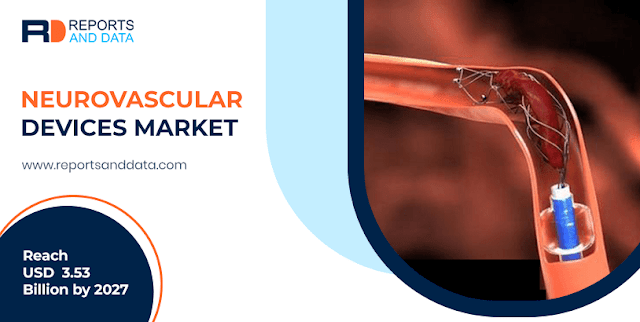
The Alarming Increase in Incidences of Stroke is Boosting the Adoption of Neurovascular Devices

Neurovascular disorders are the second most leading causes of death worldwide after heart diseases. Statistical data suggest a high number o...